(ruminations from Dakini Weaving – Keys to the Golden Age by Victoria Padma Khandro)
“Are you going to Ayahuasca tonight?” was a phrase i used to hear a lot when i was in shamanic communities, (and in exactly the tone you’d use for a gig or a club night). A decade or two ago that sentence wouldn’t have made sense to almost anyone. Now it’s practically a genre of small talk.
Plant medicine work has moved from the far margins to the mainstream faster than most of the traditions it draws from can metabolise. That’s not automatically a bad thing—prohibition kept a lot of people from real healing for a long time. But it means the work is now often chosen the way people choose anything else that’s trending: because everyone else is doing it, because it looks transformative on someone else’s face, because staying home feels like missing out. FOMO, in other words, dressed up as a spiritual calling.
The Difference Between a Calling and a Trend
A genuine calling to work with a plant tends to announce itself through signs, synchronicity, a persistent pull that has nothing to do with what your friends are posting about. A trend announces itself through everyone around you doing it at once. These feel similar from the inside, both come with excitement, urgency, a sense that this is it, which is exactly what makes the distinction so easy to miss and so important to make.
It matters because the cost of getting it wrong isn’t small. I’ve sat with people whose nervous systems and sense of self were badly destabilised by work they took on before they were ready—too much, too fast, for the wrong reasons, without the container or the discernment to meet what opened up. Some of them took years to find their footing again. A few, honestly, never fully have. None of that is said to frighten anyone off plant work; it’s said because the people who end up in that condition are almost never the ones who were called to the medicine. They’re the ones who were pulled along by momentum such as a friend’s invitation, a sense of community that felt like the antidote to a lonely life, the serotonin afterglow of a ceremony mistaken for lasting transformation. It’s a real pattern, and it deserves to be named plainly rather than romanticised.
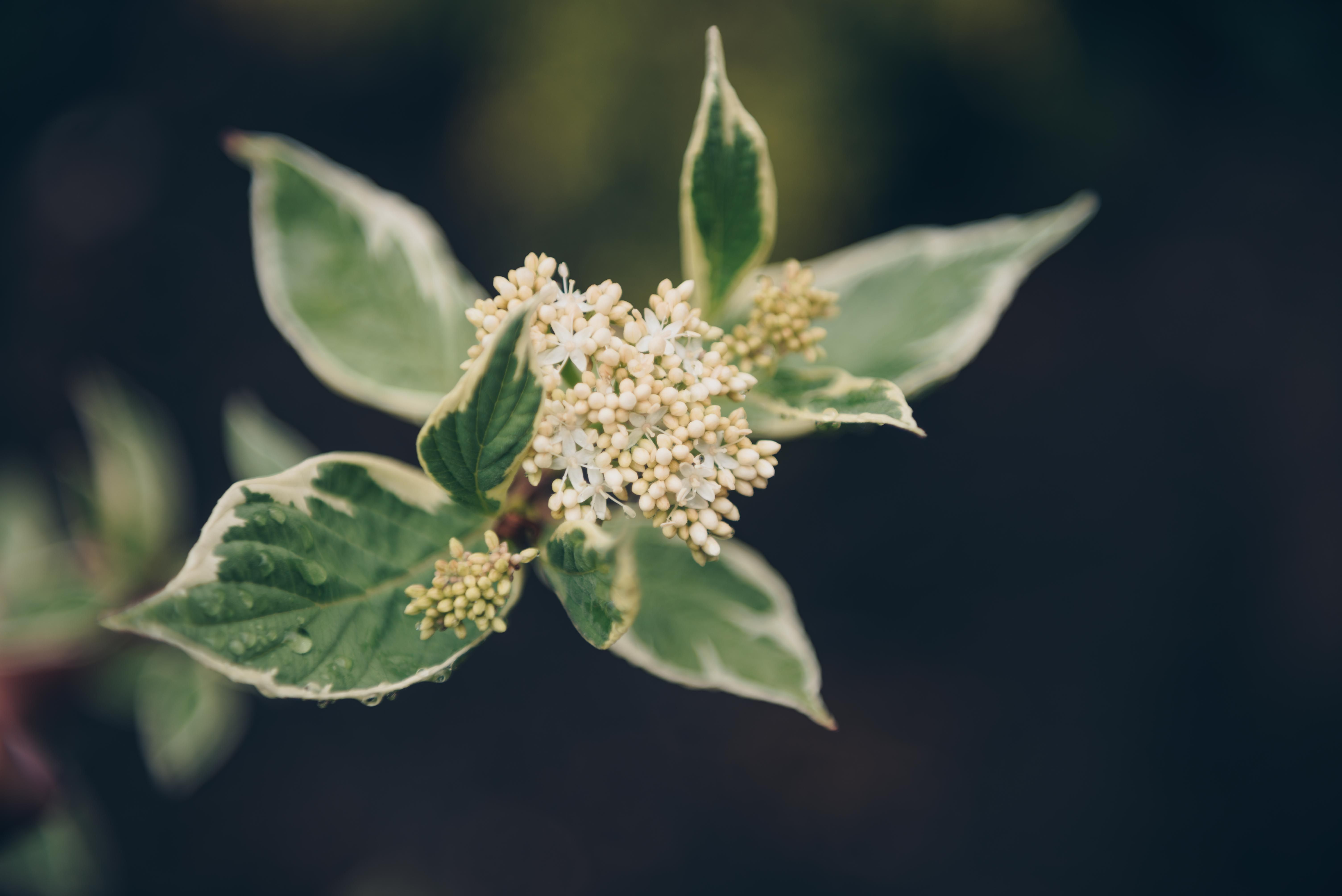
Enter the Yin Way
Here’s what years of sitting with people in this work has taught me, and it cuts directly against the culture of “more, bigger, stronger”: for a great many people, less is not a lesser dose of the medicine. It’s the more effective one.
I’ve worked with a number of men, in particular, who came to me stuck—big blockages, often costing them their closest relationships—after taking large, repeated doses of a plant teacher that had done, in their own words, nothing. When I gave them a small dose instead, they went on to have some of the most profound healing journeys I’ve witnessed, fully on par with what others achieved on far larger amounts in the same group. My read on why: many of us carry powerful protector and manager parts whose entire job is to prevent something they can’t consciously make sense of. Give the system a large dose, and those parts read it as a threat and clamp down harder. Give it a small one, and the system doesn’t sound the alarm, so the medicine can actually get in.
This is the yin way: quieter doses, flower essences, patient plant communication, a relationship with a plant teacher built over time rather than proven in a single heroic sitting. It isn’t a consolation prize for people who “can’t handle” the strong stuff. It’s often the more skillful path for a nervous system that’s already carrying a great deal, which, in this era, describes most of us.
The Gender Blind Spot
There’s a structural reason this hasn’t been common knowledge. Much of the modern plant medicine canon, particularly Amazonian shamanism, was built by men, studying under men, in traditions where for a long time only the curandero consumed the medicine at all. As more women have entered this work, an assumption often came with them unexamined: that everyone needs a heroic dose to prove they’re serious, or to access the depth of what a plant can offer.
In my experience this expectation owes more to machismo than to medicine. Female physiology—the relationship to cycle, to metabolism, to the earth—genuinely differs from male, and women have often been expected to take doses calibrated to a male body and a male proving-ground rather than to what their own system actually needs. I’ve watched women pushed into large, repeated doses suffer adrenal burnout, fragmentation, and an inability to hold their own space in genuinely murky spiritual territory, not because the medicine failed them but because the dose was never really about them in the first place. And it isn’t only women: anyone with a more sensitive, energetically porous constitution, of any gender, is often better served by the yin approach than by the yang journey a plant like Ayahuasca is famous for.
Because so little research has ever been undertaken from this yin perspective, this remains a genuine blind spot which is quietly causing a great deal of avoidable suffering. Sensitivity to subtle realms doesn’t require heroic proof. It usually shows up more clearly with less.
Discernment, Not Doctrine
None of this means yin work is automatically right and yang work automatically wrong, or that anyone should be pushed toward one path over another—that kind of prescribing is its own trap, and it’s not for me, or anyone else, to tell another person which medicine, or which dose, is theirs to take. What actually helps is honest discernment: noticing whether an invitation to work with a plant is arising from a real, quiet pull in your own life, or from not wanting to be the one left out. Checking whether you’re being drawn toward connection and depth, or toward a substitute for a community and friendship you’re missing elsewhere. Plant medicine ceremonies are not, and were never meant to be, a nightclub with better lighting.
And whichever path you’re on, the integration afterward matters at least as much as the ceremony itself, often more. The work of a plant journey doesn’t end when the ceremony does; it begins there. Committing to that ongoing process, ideally alongside a practitioner trained to support it, is not an optional extra. It’s the part of the medicine most people are tempted to skip, and the part that determines whether an opening becomes a lasting gift or a wound that takes years to close.
Where the Gentler End Begins
We touched on this gentler end of the spectrum in a recent piece on Elder and the crone gateway: flower essence work as a genuinely good entry point into plant dieta, precisely because it carries a subtle, vibrational gnosis rather than a physically intense dose. This piece is really the fuller argument underneath that choice of why we’ve built our plant medicine offerings, from the ground up, around the yin end of the work rather than treating it as the beginner’s version of the “real” thing.
Practically, this also shapes how we hold these immersions. Our plant medicine work is now largely carried by our own qualified senior Dharma STARS students—practitioners who have trained specifically in space-holding, and who work through a rigorous internal protocol developed within our Senior Space-holding course, covering everything from lineage and consent to a participant’s readiness and capacity for integration. I continue to co-host a number of these immersions myself, but the intention behind handing more of this work to a wider, well-trained team is the same intention behind the yin approach itself: real depth doesn’t require one heroic figure doing everything at maximum intensity. It’s better served by patience, discernment, and the right person meeting the right person at the right time.
If you feel a genuine pull toward this work, not because everyone else is doing it, but because something in you keeps quietly pointing there, we’d love to have you explore our current plant medicine immersions.


